
"People who dedicate their lives to music are often remarkably humble. They simply focus on the work before them, without unnecessary ego or affectation. I have never thought of myself as someone extraordinary. I was just doing what I was supposed to do, learning and growing along the way. It was during that time that I first met Dashka. He was undoubtedly a key mentor who placed immense trust in me, inspired hope for the future, and ignited the fire within me."
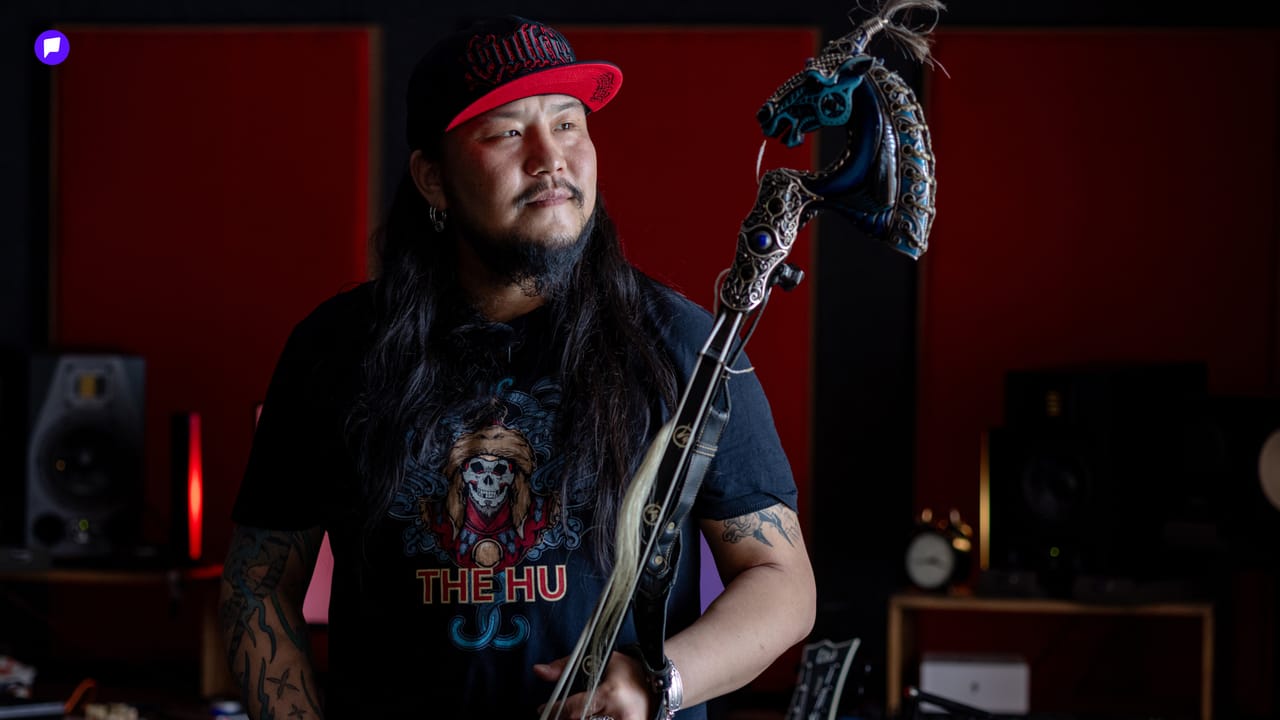
This is the inner world of Ts. Galbadrakh, the leader and morin khuur player of The HU a band that has captivated international audiences by blending traditional Mongolian music with the energy of rock, opening a new chapter in music history with what has come to be known as "Hunnu Rock." Behind these remarkable achievements lies a character defined by humility, perseverance, and a deep commitment to harmony and unity. As a musician who is making history on the world stage through Mongolia's cultural heritage while keeping his passion for art alive, he joined our "One of Us" feature to share some of the cherished memories that have shaped his life.
Childhood: A Path Toward Music
Through this interview, we wanted to look beyond international acclaim and share the character and inner world of Ts. Galbadrakh as an individual and an artist. Our conversation therefore began with memories from his childhood, which became inseparably intertwined with the morin khuur, and the warm family stories that helped shape his life.
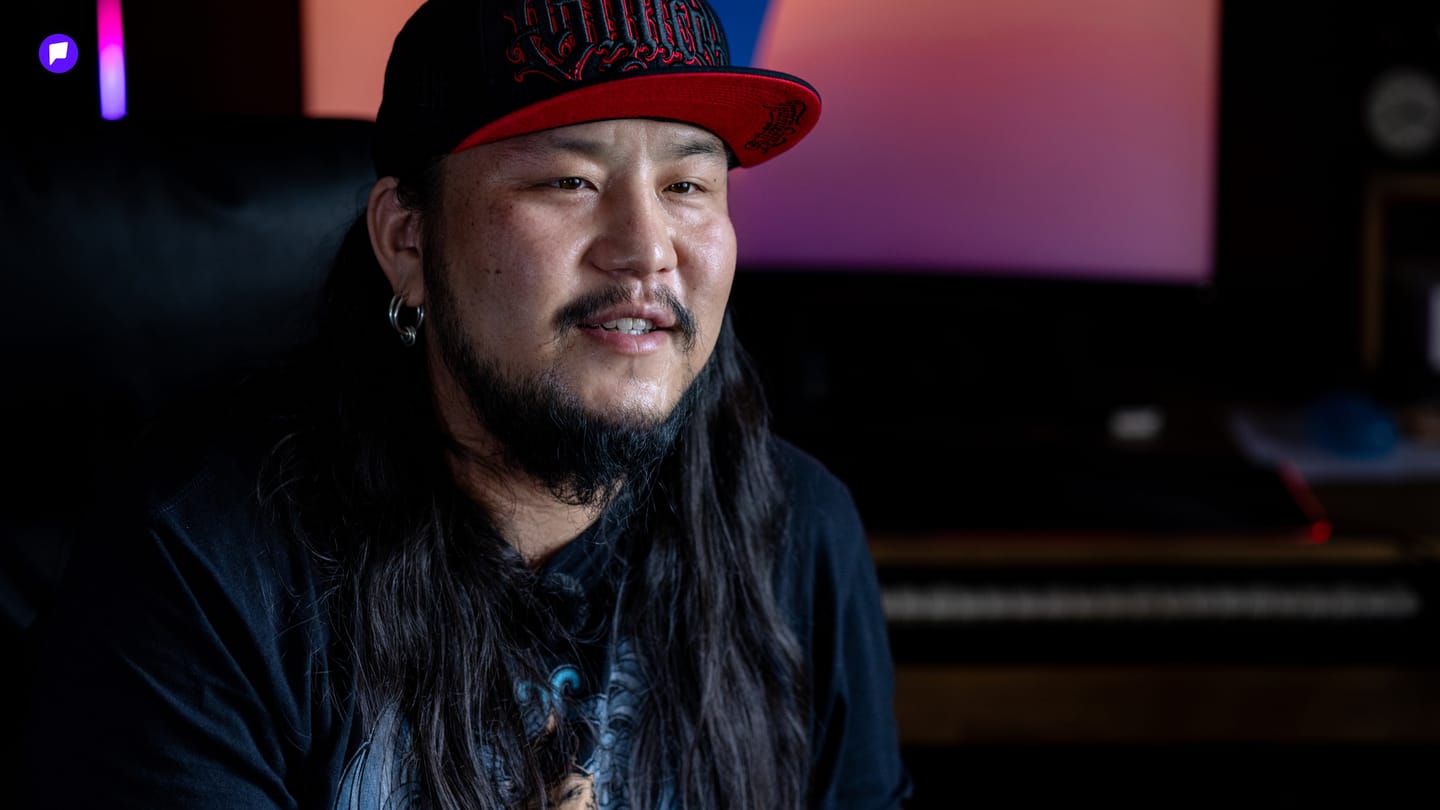
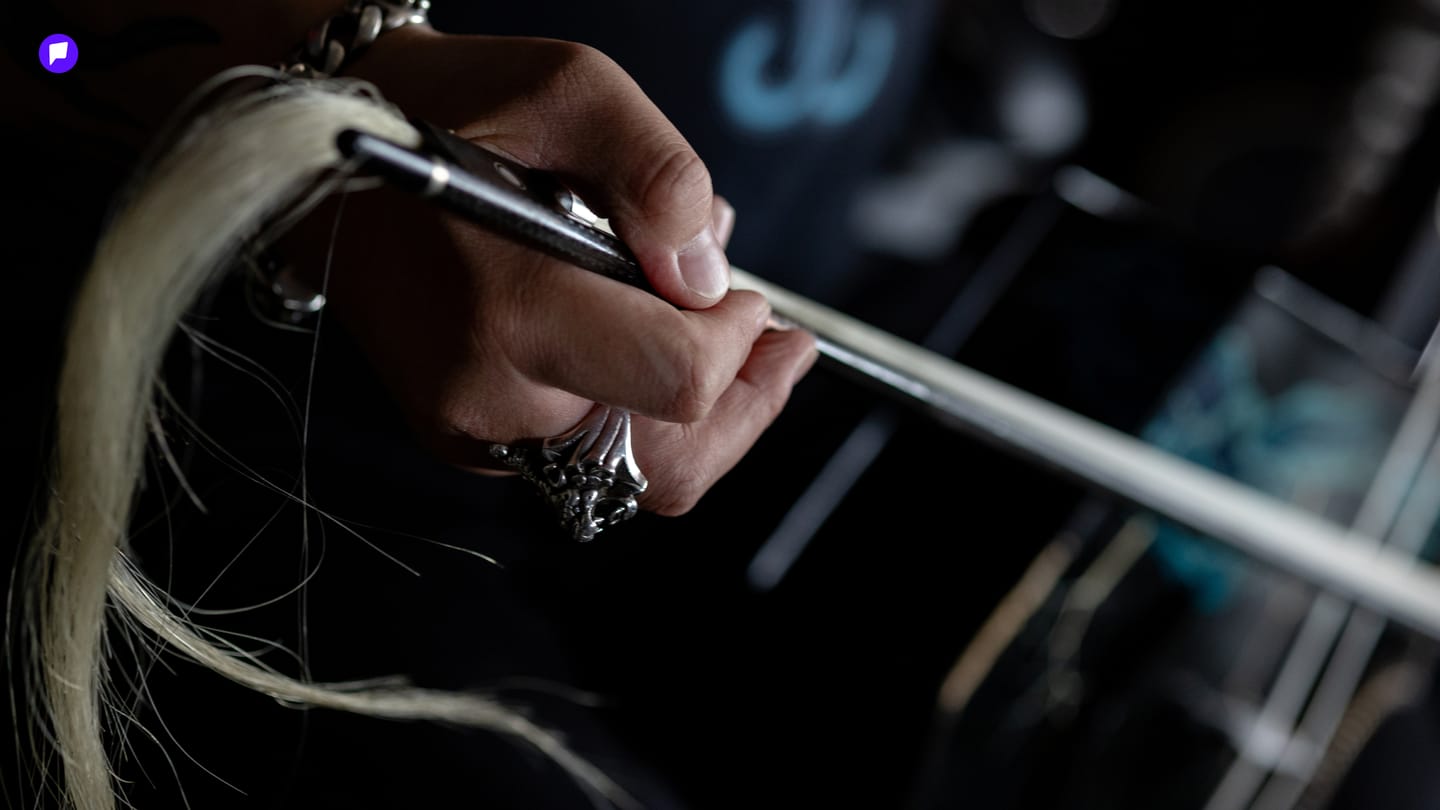
"From the very beginning, the instrument I studied and fell in love with was the morin khuur. Looking back now, I have come to realize that there is no instrument that represents the Mongolian people more vividly than the morin khuur. It is, in many ways, a living instrument. Few nations possess a cultural treasure as precious as one that produces its melodies by drawing horsehair against horsetail. I take great pride in carrying this remarkable heritage with me, introducing and sharing it with audiences around the world.
My connection to the morin khuur, however, is inseparable from my family, especially my older brothers. Both of my parents served in the military, so they were often busy and frequently worked overnight shifts. I am the youngest of five sons, and it was my brothers who truly shaped the person I am today. Like any other child, I spent my days playing and having fun with my friends.
When I was very young, the legendary Mongolian historical film Queen Mandukhai the Wisewas shown on television. My brother Bayaraa noticed that I would hum along to its iconic brass fanfare every time it played. My brothers played guitar themselves and were deeply interested in rock and metal music, so they sensed that I might have a natural talent for music. Then, the year I graduated from primary school, they encouraged me to join the morin khuur class at The Children’s Palace of Mongolia. At the time, I did not really know what the morin khuur was; I joined simply because I was drawn to music. There, I met my first teacher, L.Khürelbaatar, an exceptional mentor who taught me the fundamentals of the morin khuur and guided me onto the right path in music."
"I Could Spend Hours Staring at a Wall and Practicing My Instrument"
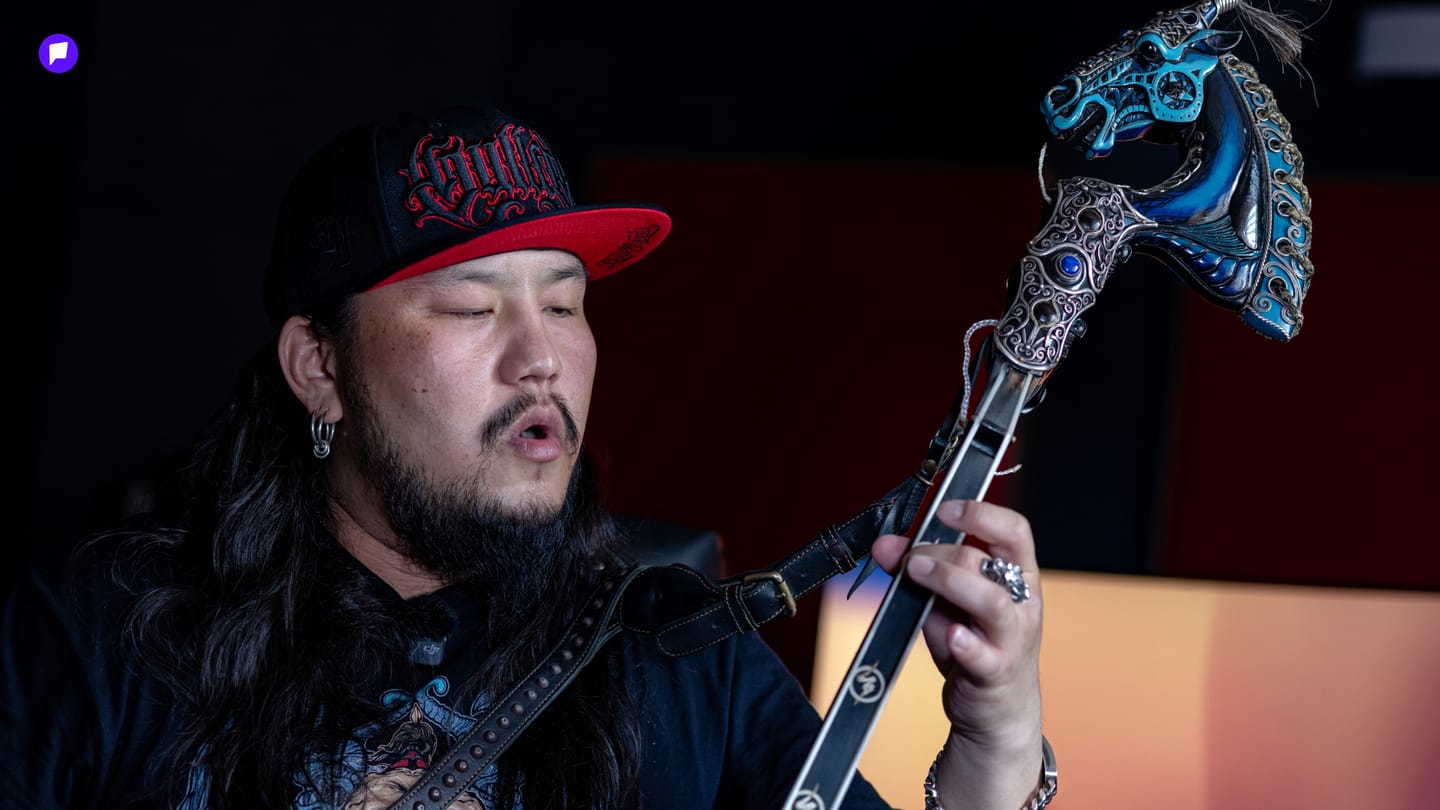
Before long, the life of the young boy who had received a strong musical foundation was swept up in the cultural and technological changes of a new century. While continuing to master the intricate techniques of the morin khuur, he also found himself drawn to the powerful rhythms of rock and metal music, fueled by the curiosity of adolescence. Our conversation then turned to how this newfound passion gradually led him toward a professional career in music and how he came face-to-face with the rigorous discipline of the Music and Dance College of Mongolia.
"When we were kids, computers were only just beginning to become common in households. When my family got our first Pentium III computer, I spent my time like most kids my age, playing Counter-Strike and Warcraft. At the same time, I would often open a program called Winamp-the one with the lightning-bolt logo. I used to browse through its playlists and listen to the powerful sounds of rock and metal music. Back then, I did not really know which bands I was listening to, but looking back, the playlists were filled with famous albums by bands such as Sepultura, Pantera, Metallica, and Slipknot. Some of the music was incredibly heavy, yet there was something about it that fascinated me. I would spend hours listening and wondering, “What kind of music is this?”
While becoming increasingly drawn to rock music, I continued to practice the morin khuur diligently at The Children’s Palace of Mongolia. Two years passed in this way. During that time, I competed in the national "Aya Egshgiin Zurgaan Jiguur" (Six Wings of Melody) competition and won second place in the intermediate age category. After that achievement, my family began to see that I had both a strong interest in music and a natural aptitude for it. They decided that I should pursue it more seriously. I took the entrance examination for the Music and Dance College of Mongolia and was admitted to the morin khuur program, where I began studying at a completely different level, training professionally in my field.
Life for students at an arts school was quite different from that of other children; it unfolded within a strict and highly disciplined environment. While our dormitory friends would head outside to play after classes, we rarely had that kind of free time. We spent hours in the school corridors, facing the walls and practicing our instruments non-stop. The school maintained extraordinarily high standards. Nepotism or shortcuts had absolutely no place in art. We sat for eight to ten examinations each year and were expected to be rigorously prepared at all times. From a young age, I began to understand the heavy responsibility that came with committing myself to my chosen discipline, and the fact that I could not afford to neglect my principal field of study.
Even so, there was still room for the curiosity that comes with youth-for exploring who you are and being drawn to new influences. In the early 2000s, a strong wave of live music, rock, and metal swept through our school, and many bands were being formed. My classmates listened to Linkin Park a great deal, and inspired by them, we decided to form a band and try covering their songs ourselves. I played bass guitar in that band. That was when I truly began to develop a deep interest in live music. Looking back, it was a period when I was able to pursue my own interests and hobbies while remaining fiercely committed to my professional training and chosen path."
"For the First Time Abroad, I Felt Like a Nobody"
Just as he was discovering his passions and immersing himself in the world of music, another turning point emerged in his life. Having excelled both academically and musically, the young man set his sights on Japan, eager to challenge himself beyond familiar horizons. Yet life in a foreign country, where he knew neither the language nor a single person, offered him an entirely different perspective. Confronted with challenges on his own and tested both mentally and physically, he was forced to step far outside his comfort zone. The experience led him to reflect deeply on his future and, above all, on the true value of the morin khuur.
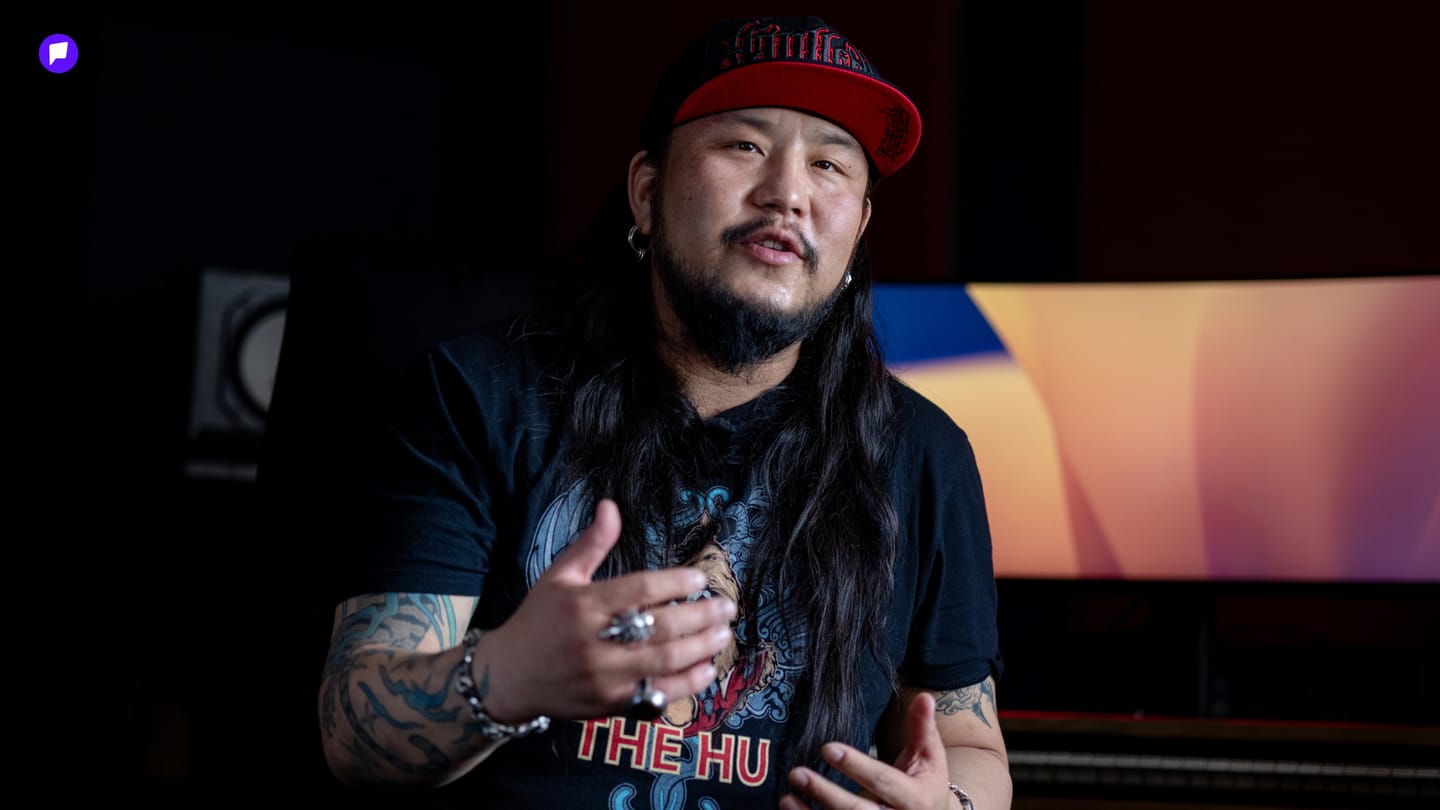
"After graduating from the Music and Dance College of Mongolia, I discussed my future with my family and decided to go to Japan to pursue a different field of study. I lived with a Japanese host family in Itami, a small city near Osaka, and spent six months in an intensive language preparation program. There were no other Mongolians there, so I found myself in an environment where learning Japanese was not a choice, but a stark necessity.
The first two months were particularly grueling. I could barely understand even simple greetings such as “hello” or “goodbye”. Living alone in a foreign country, navigating an unfamiliar culture and its strict social norms, and facing challenges entirely on my own made me realize how unprepared and inexperienced I truly was. It was a profound period of self-reflection. Back home, I had done well in school and was considered a strong morin khuur player, so I thought quite highly of myself. But once I stepped away from my parents and found myself alone in a foreign land, I experienced, for the first time, what it felt like to be a nobody.
Then, after about two months, something suddenly clicked. I began to understand the language. Before long, I could follow not only everyday conversations but also comedy programs and even some of the complex political discussions on television. I often think that my musical training and keen ear for sound helped me absorb the language much more quickly. Although my Japanese was improving, my health unfortunately began to deteriorate. I developed multiple severe infections, and being ill in a foreign country was incredibly difficult. In the end, I consulted my family and decided to return home. Looking back, I feel that experience was a sign reminding me that I should never stray too far from the morin khuur.
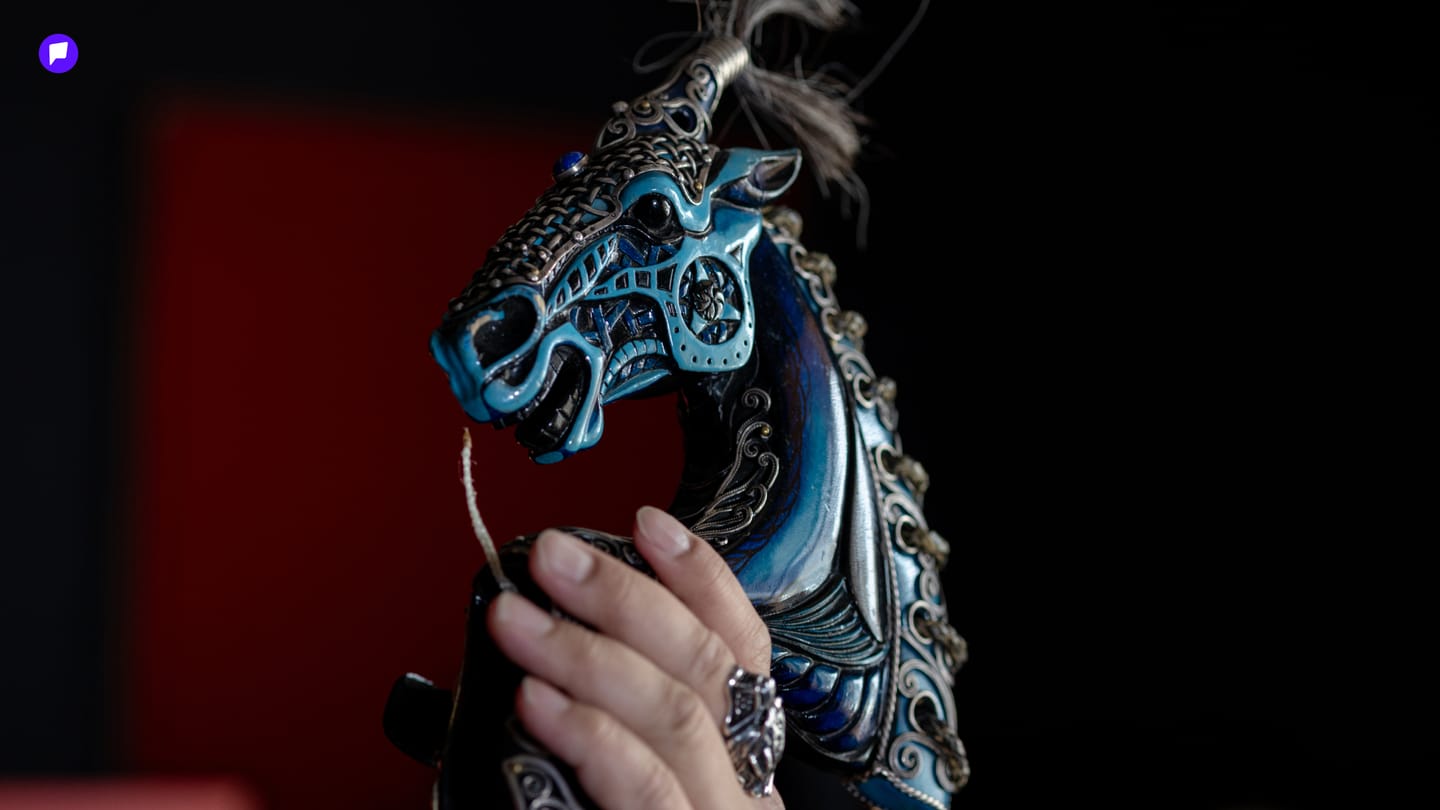
After returning from Japan, I enrolled in the bachelor's program at my school and became one of the first graduates after the Music and Dance College of Mongolia was reorganized as the Mongolian State Conservatory. While studying, I also performed with traditional folk ensembles such as Altain Orgil and Nuudelchid. In fact, I had actually started working much earlier. From the seventh grade onward, I spent my summer holidays performing in cultural shows for tourists. Some of those archival recordings from our performances at the ChoijinLama Temple Museum can still be found on YouTube today. Because I worked continuously from such a young age, I learned to take care of most of my own everyday needs and responsibilities. Later, while still a student, I spent three months as a trainee with the National Academic Ensemble of Song and Dance (now known as the National Theatre of Mongolian Arts). I then joined the orchestra as a full-time musician and continued working there proudly for seven years."
“Music Unlike Anything I Had Ever Heard Before..."
The years he spent performing in the theater orchestra seemed, in hindsight, to have quietly prepared him for a much larger and entirely new world. Carrying both Mongolia's cultural heritage and a passion for rock music in equal measure, he soon found himself at a defining moment in his life. It was around a decade ago that he became a foundational part of The HU-he band that would go on to permanently imprint Mongolian music and identity onto global consciousness.
"Any conversation about how The HU came together inevitably begins with our producer, Dashka (B. Dashdondog). He was the one who conceived the project and spent many years researching, refining, and developing the concept.
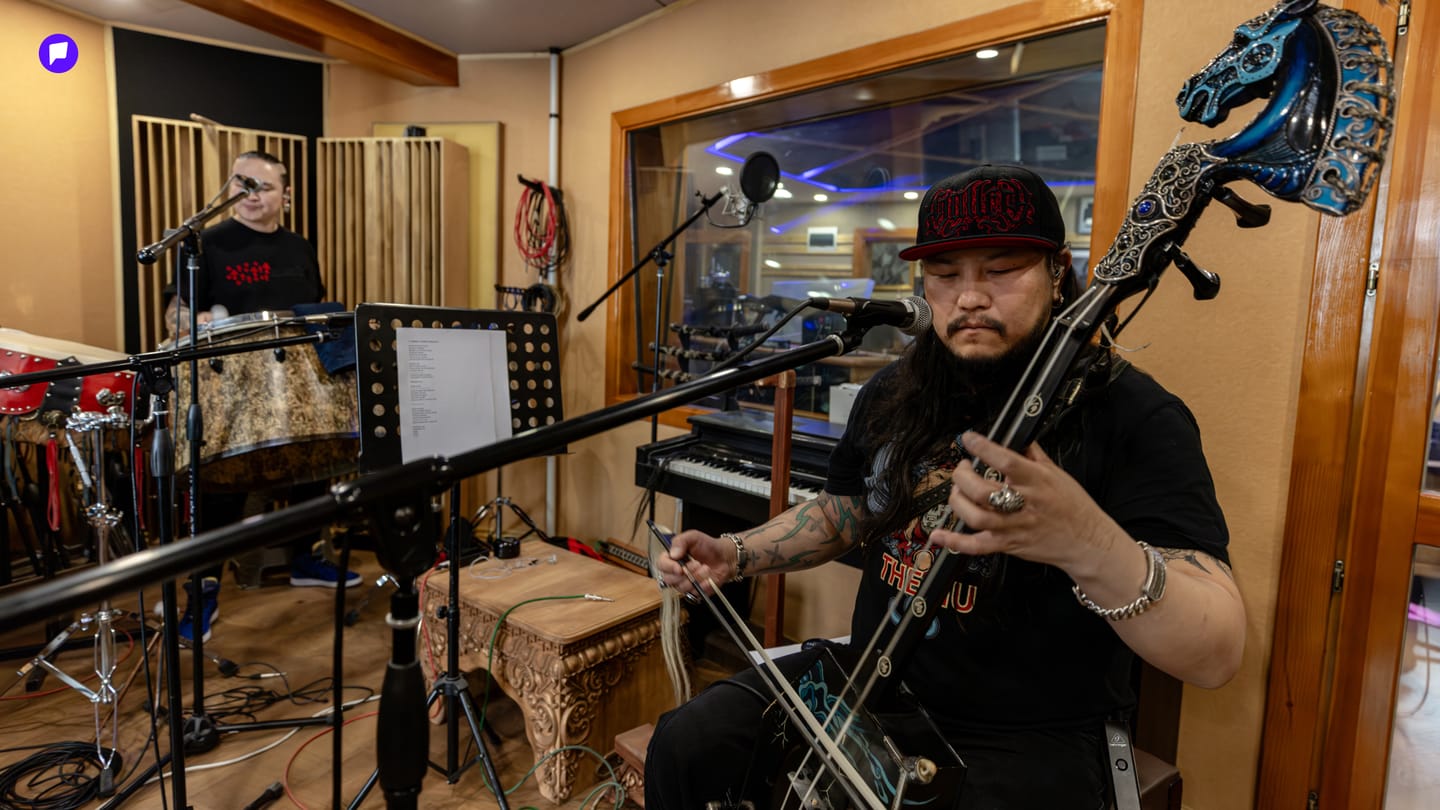
At the time, Jaayaa (G. Nyamjantsan), one of our band members, was teaching at the Music and Dance College of Mongolia. Although we had a teacher-student relationship at school, we were close like brothers in everyday life. We had also performed together in the folk ensemble Altain Orgil, so we knew each other's abilities, learning capacity, and years of dedication to traditional music very well. When Dashka mentioned that he was looking for someone who could both play the morin khuur and perform khöömii, Jaayaa recommended me, and that was how I first met him.
During our first meeting, he immediately began testing me. He would say, “All right, play something like this,” or “Now try singing khöömii like this.” Then he told me about the groundbreaking project he was building: “I'm developing something called Hunnu Rock,” he said.
The music he played for me that day had not yet become fully realized songs; they were demo recordings that contained the core musical ideas and raw arrangements. When I listened to them, I heard something unlike anything I had ever encountered before. The music carried a distinctly fierce Mongolian spirit, yet at the same time, it contained the heavy elements of Western rock and metal. It was in that exact moment that I realized this was something truly extraordinary. That was the beginning of my journey with Dashka and the collaboration that would eventually become The HU."
Our Goal is to Leave Hunnu Rock Permanently Etched in Global Music History
The moment he struck the morin khuur was, for him, an intuitive spark that marked the beginning of a journey that would reshape the history of music. Hunnu Rock is not merely a distinctive style of a single band, nor a fleeting trend that appears and fades over time. It represents a far greater vision-one that seeks to establish itself as an independent, recognized genre in global music history, while permanently placing Mongolia on the global cultural map.
"Hunnu Rock is a completely new genre in the world of music. Looking at the history of global music, there are clearly defined styles such as hard rock, heavy metal, classical, and soft rock, each with its own identity and representative acts. Our greatest ambition is to place Hunnu Rock among those legendary genres, to firmly establish it in the history of world music and leave an indelible mark. This is not only about the success of The HU. It also means that the name “Mongolia” and the profound heritage of nomadic culture will always be fundamentally connected to it. Our vision is for this music, which originates from Mongolia, to secure its permanent place in the history of global art and continue to resonate worldwide.
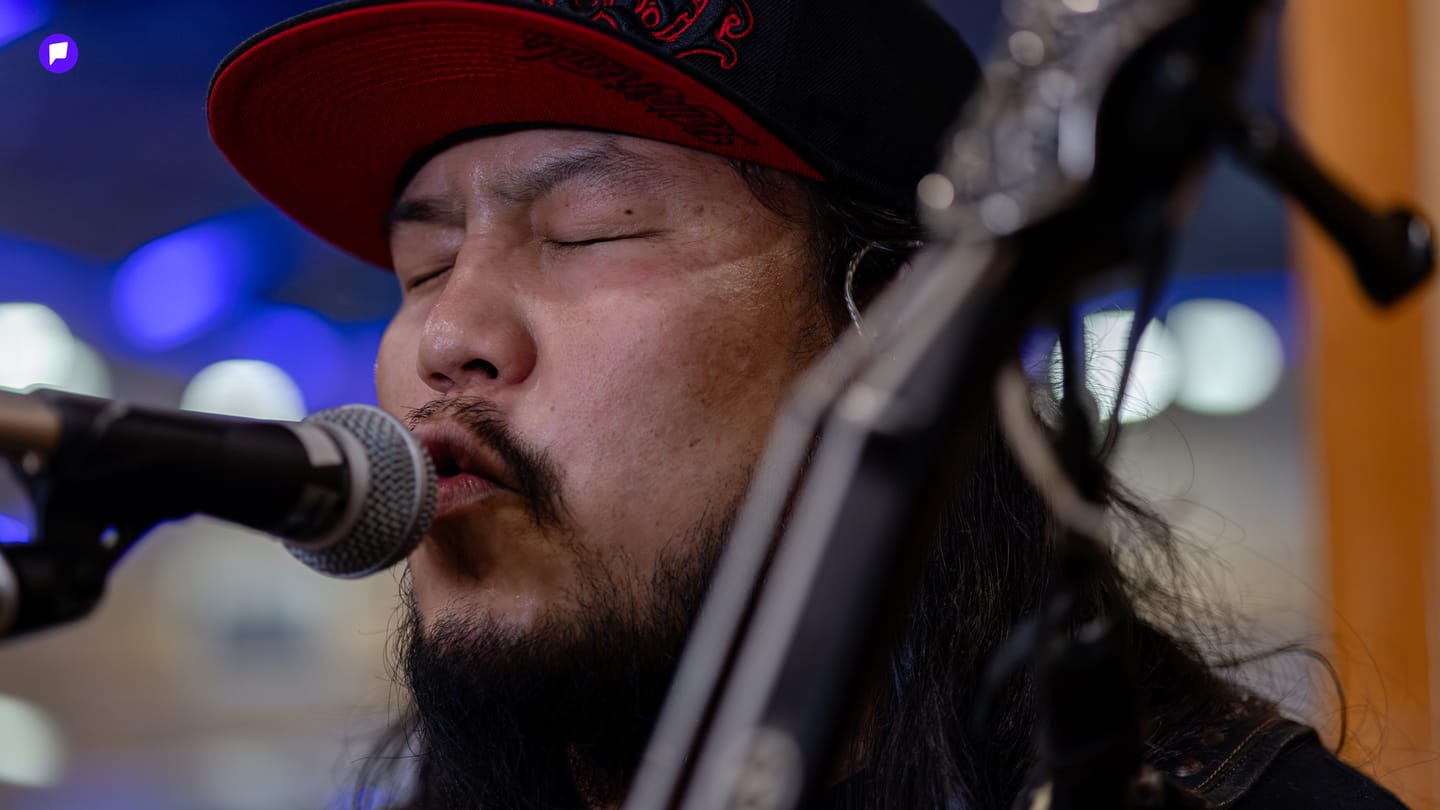
Through Hunnu Rock, we are presenting a seamless fusion of past and future, East and West, to the world. It creates a unique harmony that is deeply rooted in tradition yet entirely modern. As pioneers of this path, it is entirely possible that bands performing in the HunnuRock style will emerge in many countries in the future. However, to truly express the genuine essence of Hunnu Rock, those musicians would inevitably need to come to Mongolia and study our traditional cultural heritage firsthand, including the morin khuur, khöömii, tovshuur, and tsuur. In that sense, one of our greatest goals is to share Mongolian heritage with the world through sound and authentic music."
Identity and Inner Strength Rooted in Nomadic Heritage
Behind this grand ambition to conquer the global stage lies a history and culture carried through centuries of nomadic tradition. Perhaps the reason Hunnu Rock has resonated so deeply with audiences worldwide is closely tied to the inner strength of Mongolian traditional music and the unique, living energy embedded within the sound of the morin khuur.
"Our national music and cultural heritage are truly extraordinary. Wherever I go in the world, they give me an immense sense of pride and confidence, allowing me to walk with my head held high and my heart full. As I mentioned earlier, Mongolian music carries a living spirit. Wherever the morin khuur is played, it is believed to gather positive energy and dispel negativity. In Mongolian culture, this is described as “javar ürgeeh”-dispelling spiritual stagnation and cleansing the household energy. There is a living tradition of placing the morin khuur in the sacred part of the home and inviting a musician to play it in order towelcome good fortune and revitalize one's life and work. I believe anyone, regardless of nationality, can feel this extraordinary energy. Whoever listens is moved emotionally and receives a powerful sense of vitality.
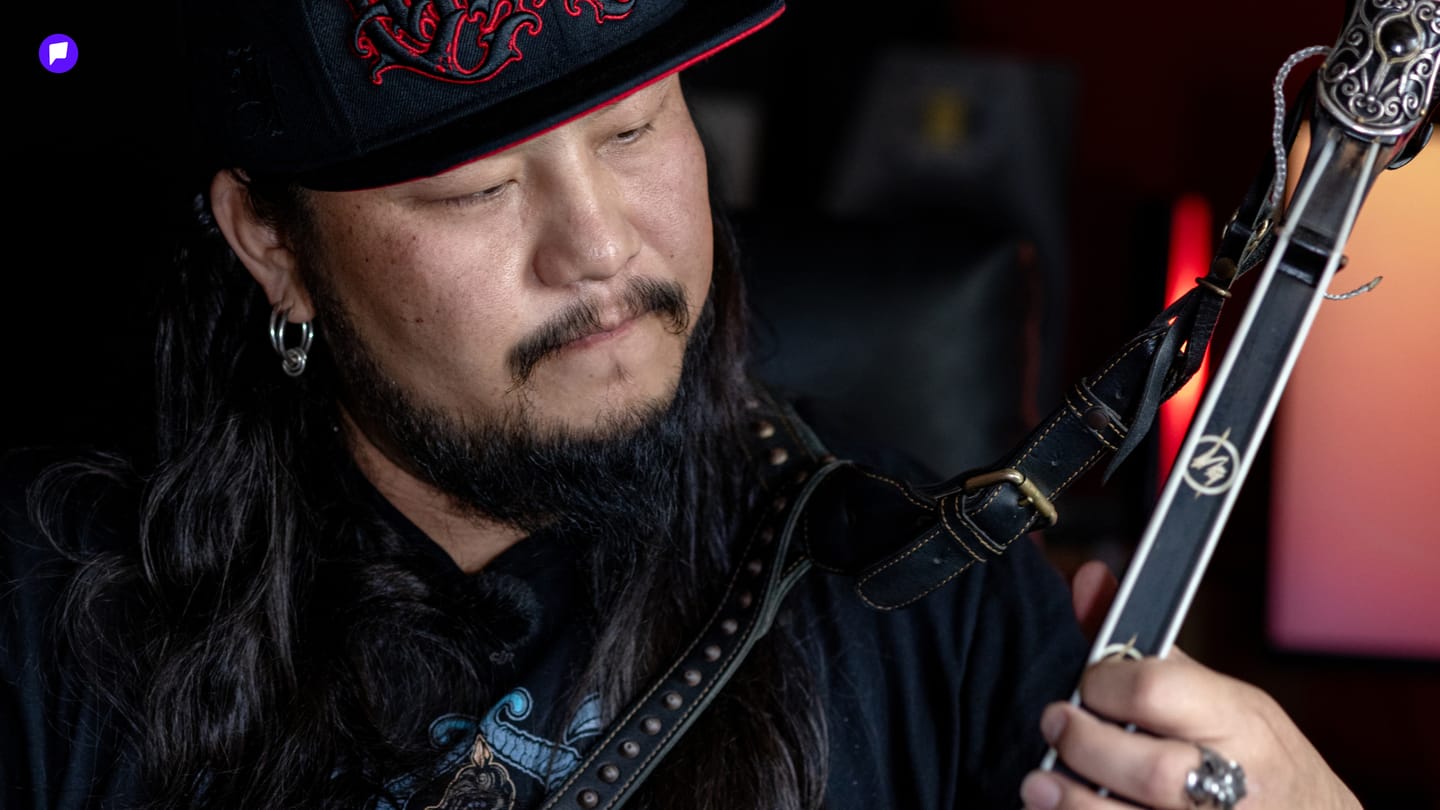
This source of creativity and unique way of thinking is deeply connected to what we might call the distinct cultural DNA of the Mongolian people. We are a nation shaped by a distinct natural environment, a harsh climate, and a nomadic cultural heritage that has been passed down and preserved through generations. Our ancestors once shaped world history and established great empires, and we are their direct descendants. For that reason, I believe young people today should study, respect, and deeply reflect on this heritage. We are fortunate to have vast land and untouched nature. Cities will remain cities, of course, but just ten kilometers outside the capital, you can already find clean air, fresh water, and the natural rhythm of nomadic life. The coexistence of urban civilization and nomadic culture side-by-side is something extremely rare in today's world.
Mongolian intelligence, creativity, and resilience all stem from this environment, and within the nomadic way of life lies the secret of our inner strength. Most of us grew up spending our childhoods in the countryside with our grandparents, or in close contact with livestock and nature. This way of life, so different from that of other nations, shapes the inner character of Mongolian people. That is why I believe that only by deeply studying and understanding the history and cultural heritage of our ancestors can a Mongolian truly come to understand themselves."
The Beginning of an Explosion: How "Song of Women" Was Born
The first steps toward expressing the profound essence of their cultural heritage through music, along with the earliest creative explorations, began in the studio. Transforming an idea into reality and producing the first sounds of an entirely new genre required immense patience and meticulous effort from the musicians involved. Even for a professional musician with experience recording hundreds of tracks, this process presented an entirely new challenge.
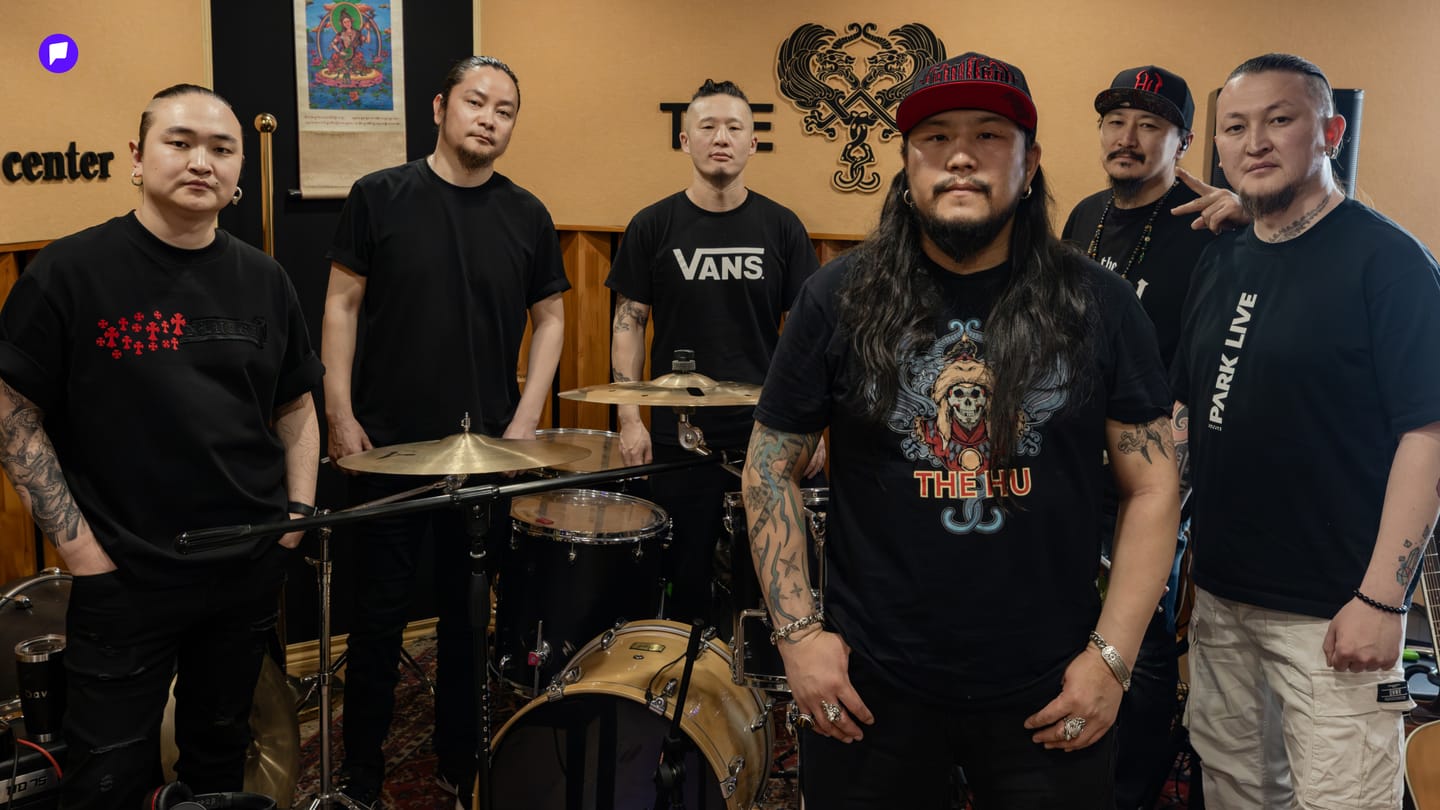
"The HU's very first work was “Song of Women”, included in our debut album Gereg. At that time, we spent countless hours in the studio working on this piece. We were constantly experimenting, asking ourselves what would happen if the morin khuur were played in a certain way, how the khöömii might sound in a different form, and what other unusual sonic textures we could create. It was an ongoing process of exploration without pause. I had taken part in many recording sessions before, both during my studies at the Music and Dance College of Mongolia and later while working at the National Academic Theatre of Song and Dance. However, I had never experienced anything as intense, exhausting, and time-consuming as those early recording sessions with The HU.
Yet the most remarkable thing was that, despite complete physical exhaustion, I felt a profound spiritual elation-as if my very soul was celebrating. When you play the morin khuur in such powerful, continuous rhythms, your fingertips begin to wear down, and at times they even bled. I still remember coming home one day, and my wife said to me, “You look absolutely exhausted, but your eyes are shining.” That was when I truly understood something vital. A person is happiest at the moment they meet the work they are truly passionate about-the one that gives them the deepest sense of fulfillment. It feels like a joy that overflows from within. In that state of intense satisfaction, one creative work after another began to emerge."
"Do Foreigners Ask If We Have Metal in Our Throats?"
The works born from this relentless pursuit and creative dedication ultimately helped establish the band's distinctive identity on the global stage. Among the defining elements of The HU's sound, one of the most important is the ancient art of Mongolian throat singing, or khöömii. The band's ability to seamlessly combine the intensity of rock and metal with the unique techniques and vocal textures of Mongolia's traditional music has brought not only a distinctive musical style, but also a remarkable artistic transformation for its members.
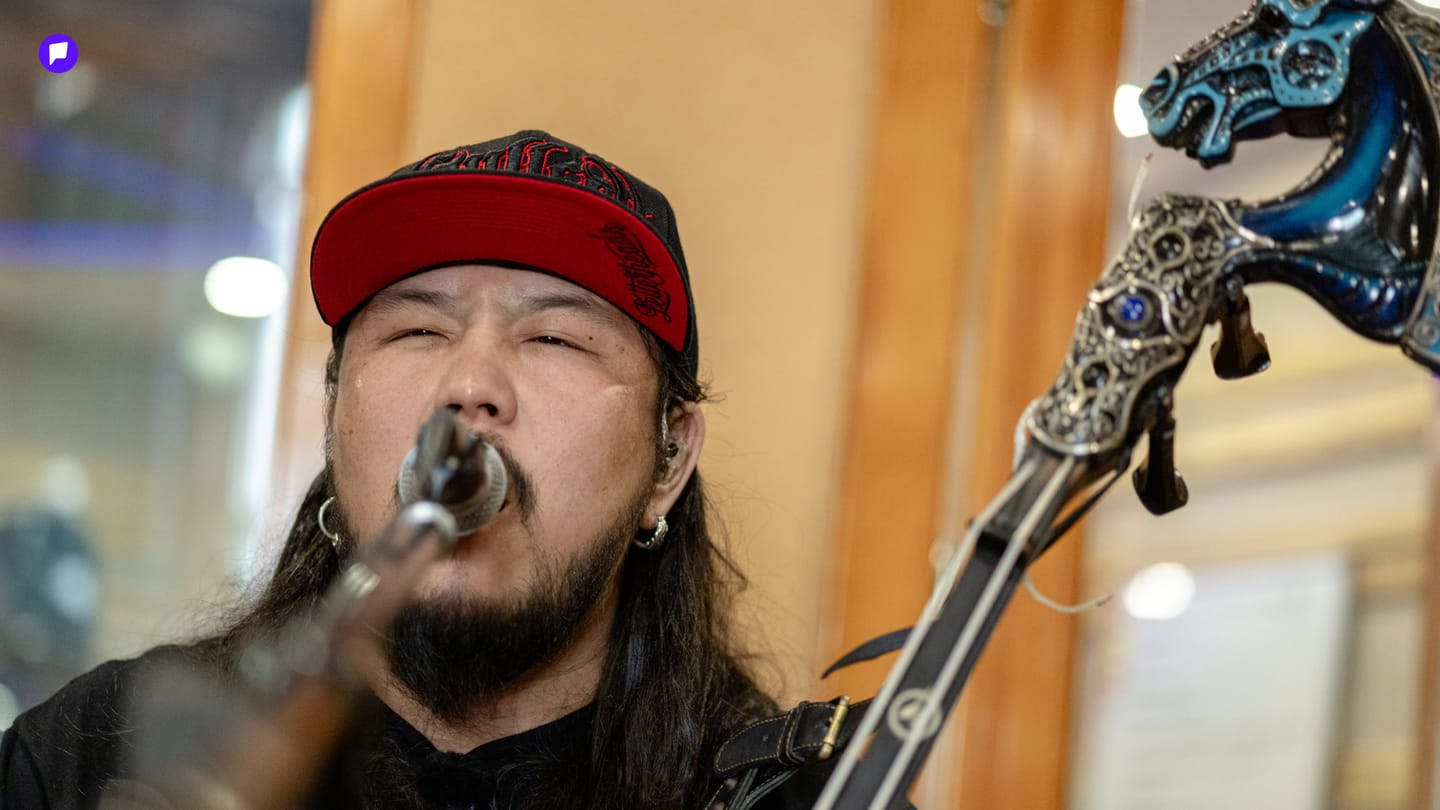
"Khöömii is an art form that emerged from the sacred relationship between humans and nature. It is widely believed to have originated from people imitating the sounds of the natural world, such as cascading waterfalls, flowing water, and the calls of wild animals. Rooted among the nomadic peoples who lived across the Altai region, it remains one of the world's rarest vocal traditions, distinguished by the ability to produce two different tones simultaneously from a single voice.
One of the reasons khöömii became such a core pillar of The HU's musical approach is that rock and metal music often rely on specialized vocal techniques to create heavier, more powerful sounds. Techniques such as screaming alter the natural voice to achieve a particular intensity. In a similar way, khöömii is one of our own ancestral vocal techniques, and it blends remarkably well with the heavy rhythms and energy of rock music.
Dashka often puts it in a memorable way. He likes to say, “Maybe our ancestors were rock musicians all along. The way they sang and played music was full of raw energy, and even their voices carried that gritty, gravelly sound.” There is something about khöömii that naturally produces an organic, metallic quality. Foreign audiences are completely fascinated by it. Some have even asked us, “Do you have metal in your throats?”
The fact that it can create that kind of impression speaks to the immense depth of the tradition. To me, khöömii carries something far beyond sound alone. At times, it feels as though the human spirit itself is singing; at other moments, it feels as if it carries an echo of the ancient ones who came before us. Perhaps that is where the unique power and enduring mystery of this tradition truly lie."
"In Everyday Life, Stay Grounded and Humble"
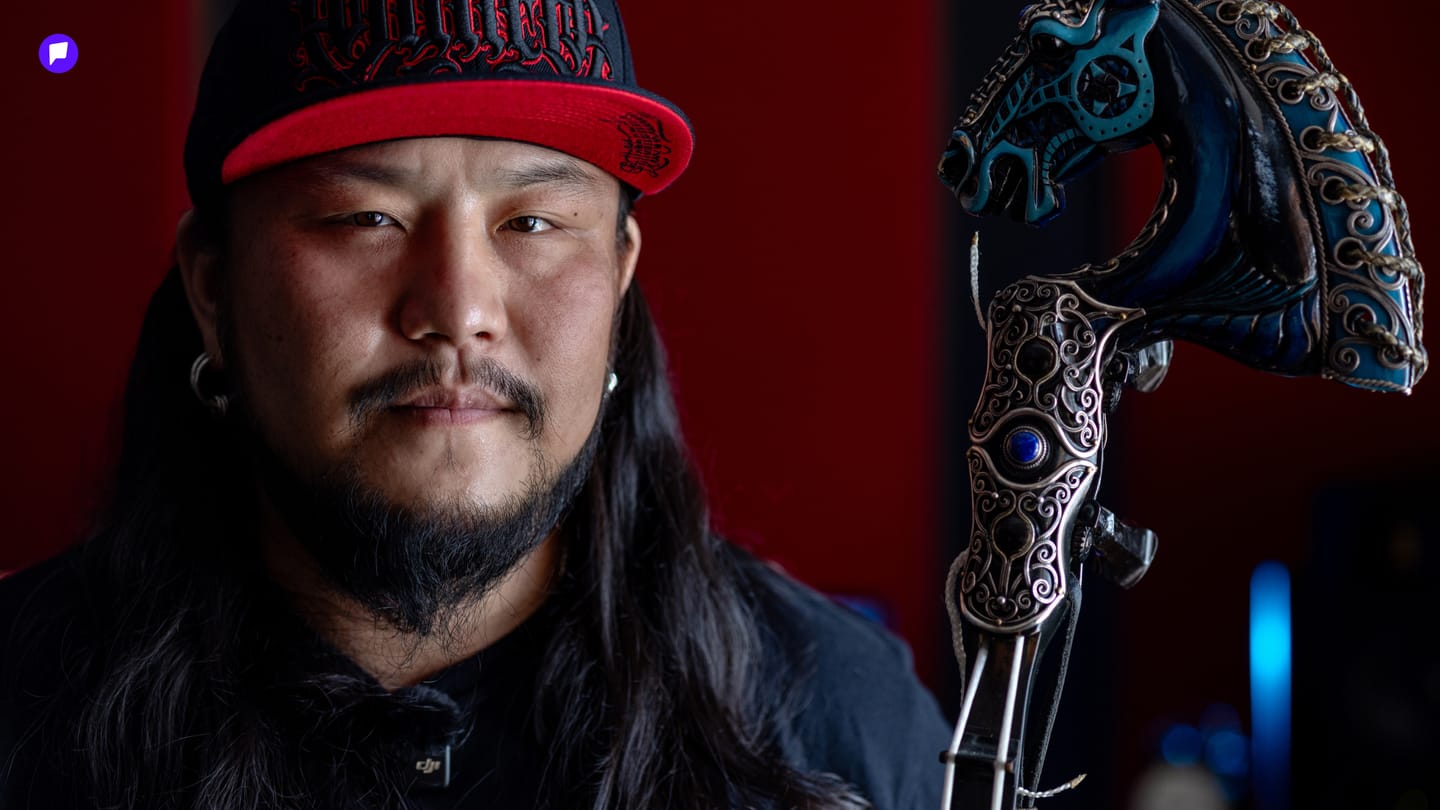
"For me, it has now been twenty-six years since I first stepped into the world of music. Over that time, I have developed a strict sense of discipline, almost like a form of rigorous military training. I have spent countless hours practicing, constantly learning new melodies and songs, and pushing myself to keep growing as a musician. At the same time, the years since The HU was formed have brought an extraordinary period of growth in my life. Before that, I performed traditional folk music in its conventional form, playing the morin khuur and practicing khöömii within established classical traditions. With The HU, I began approaching both through the lens, language, and style (spirit) of rock music. That transformation took me to an entirely different level as an artist.
Beyond the music itself, I also learned how to communicate it to a global audience and how to fully express my emotions through performance. In many ways, the experience shaped a completely different version of who I am today. In our everyday lives, we are simple and humble people. But once we put on our stage clothes, prepare ourselves, pick up our instruments, and gather together to call out our battle cry before stepping onto the stage, something profound changes in each of us. It feels as though we become entirely different people-awakening a powerful ancestral spirit.
Dashka often says, “In everyday life, stay grounded and humble. When the moment comes, be as fierce as a lion on stage.” I have always felt that those words capture it perfectly. The artist who steps onto the stage is completely distinct from the person living an ordinary life. In those moments, you feel as though you are channeling a powerful, ancient spirit."
"The Mind Reaches First, and the Body Follows"
The inspiration and energy that come alive on stage can be traced back to the excitement and imagination of his childhood. As a student at the Music and Dance College of Mongolia, he would watch recordings of Western live performances and picture himself standing on stages just as grand. The young boy who once imagined himself beneath those lights has since grown into the very future he dreamed of.
"I can never forget those massive festivals and stages from our very first world tour. Looking back, I feel that those experiences gave us tremendous motivation and energy as artists, andplayed a huge part in bringing us to where we are today. At that first festival, we were still a new and relatively unknown band. We were scheduled as an “open door” act, which meant we went on one of the main stages around noon. Festival crowds had often spent the entire night celebrating, so the organizers would tell us, “There may not be many people out there when you go on stage. Don't worry about it. Just enjoy yourselves and give a great performance.” Dashka would say much the same thing: “Alright, boys, don't worry. Go out there and play your hearts out.”
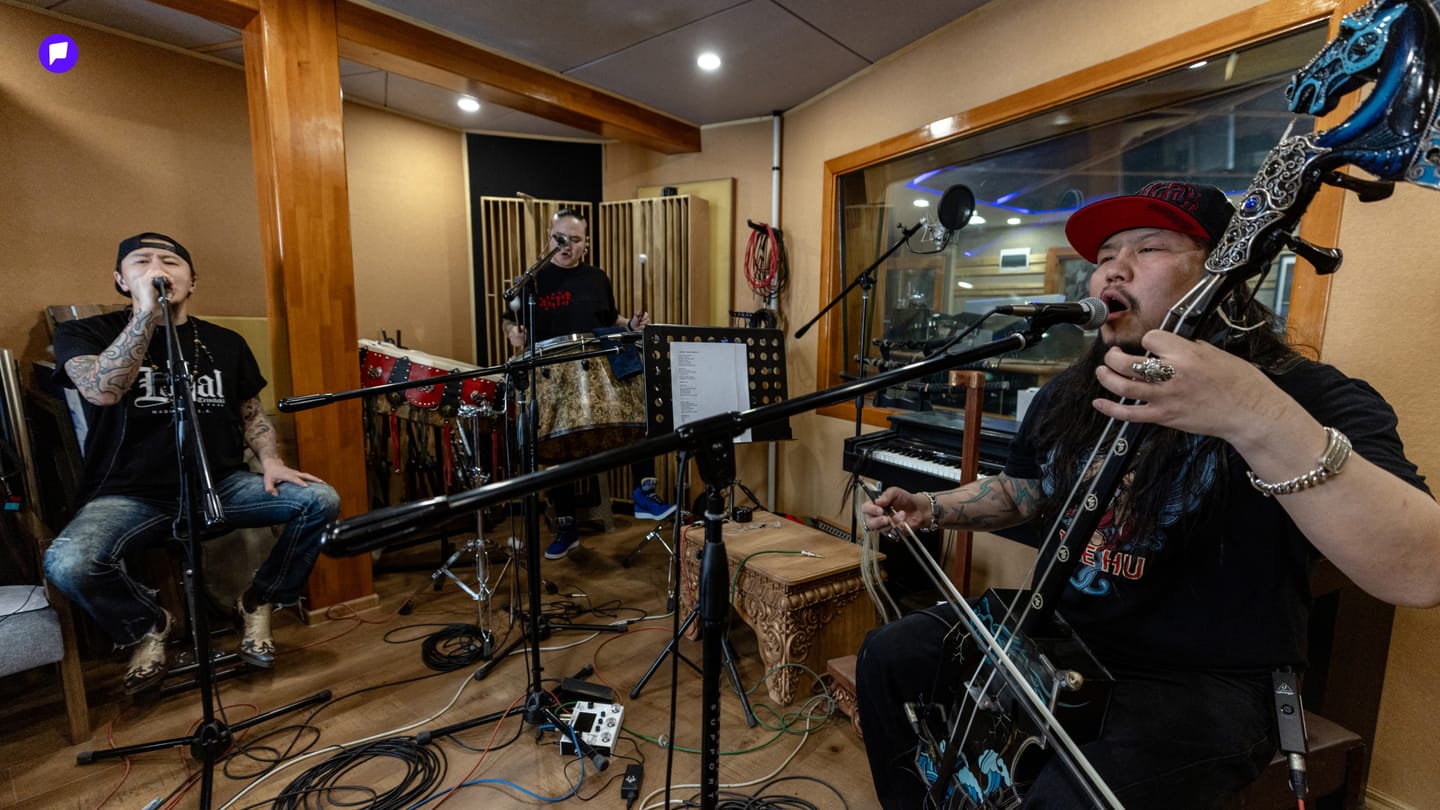
Then, from behind the stage, we began hearing this enormous roar and commotion from the crowd. I remember wondering to myself what on earth was happening. We shouted our rallying cry, told each other, “Let's give it everything we've got,” and stepped onto the stage. What we saw was unbelievable-a massive crowd stretched out before us as far as the eye could see. The feeling of hearing thousands of people chant “HU, HU, HU” in unison-as if they had been our loyal fans for years despite meeting us for the very first time-is something I will never forget. That was the moment I truly felt that we were doing something deeply meaningful and that our music was connecting with human souls. The respect, love, and energy we receive from audiences continue to sustain and recharge us through the demands of an intense touring life.
"Over time, the band gradually became more widely known, and that journey of growth is still continuing. Recently, in the summer of 2025, during our European tour, we performed at the famous Hellfest in France during one of the festival's prime time slots, immediately before the headlining act. When we stepped onto the stage, nearly 120,000 people had gathered to watch us. For me, that was one of the defining moments of my career. It felt like the next triumphant chapter of a journey that had begun with those very first unforgettable experiences on stage.
It's interesting when I think about it now. While studying at the Music and Dance College of Mongolia, I spent countless hours watching live performances by Western rock and metal bands while also immersing myself in traditional Mongolian music. My friends and I had already formed a band by then, and I often imagined what it would be like to stand on a stage of that scale one day, performing in front of thousands of people.
Years later, I heard a quote by the legendary poet B. Lkhagvasuren on the prominent documentary series Distinguished 100 Mongolians. He said, “The body eventually arrives where the mind has already traveled.” Those words seemed to completely validate the dreams I had carried since childhood and ignite a fire that was already burning fiercely within me. I have come to firmly believe that when a person consistently envisions a goal and commits themselves to it, they eventually arrive there. It may not happen today, but tomorrow always exists. That is why those words continue to inspire me whenever I am working toward something important."
The Responsibility of Being an Artist
An artist who performs at some of the world's largest music festivals and commands the attention of tens of thousands of people may seem distant, perhaps even driven by extraordinary personal ambition. Yet behind the curtain and inside the recording studio, his reality is far more grounded. His inner world is defined by humility, responsibility, and the quiet dedication that comes from devoting oneself entirely to music.
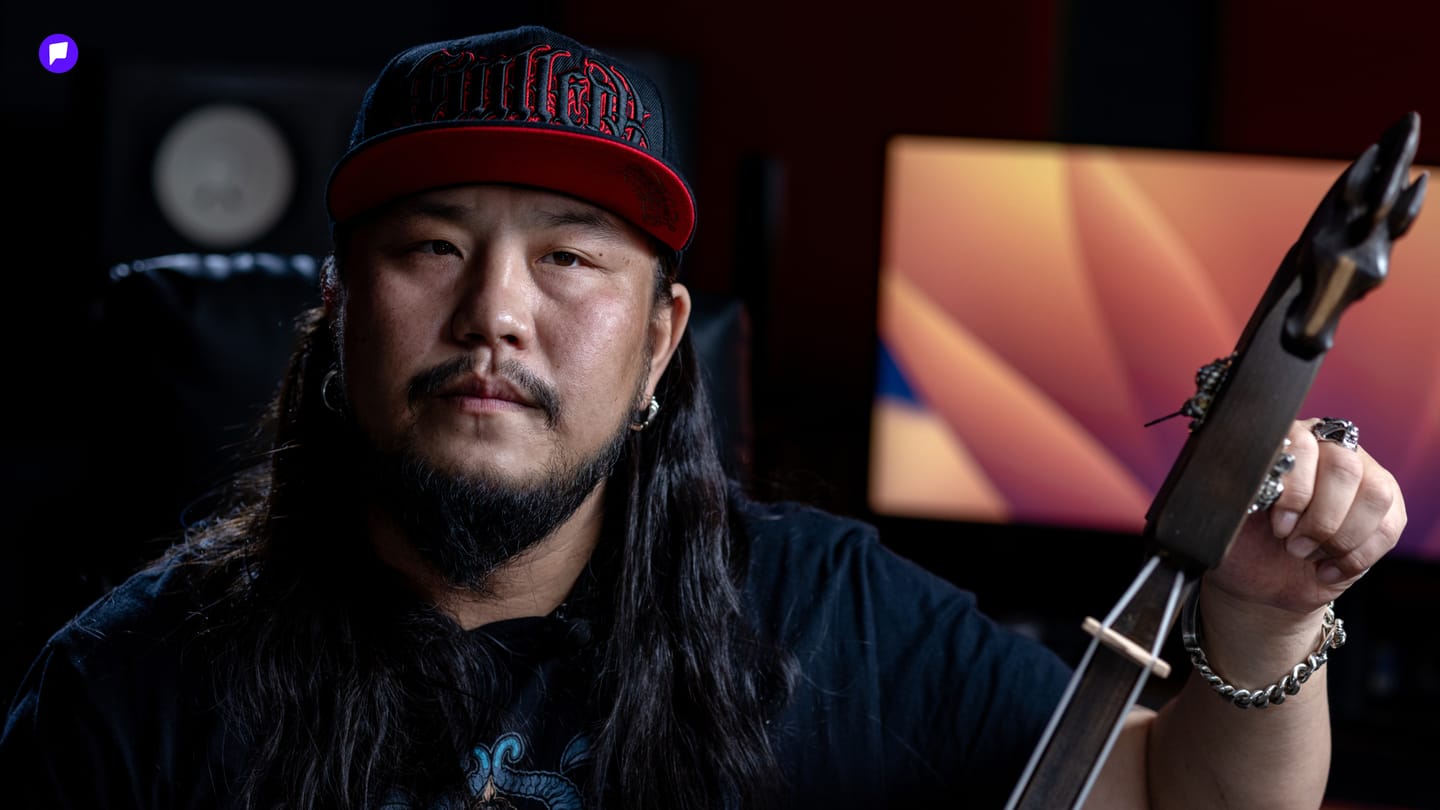
"People who dedicate their lives to music are often remarkably humble. They simply focus on their work without unnecessary ego or pretension. I have never considered myself any different. I was simply doing what I was supposed to do, continuing to learn and grow, when I first met Dashka. What gave me tremendous confidence was hearing him say, “You can do this. You are one of the musicians who can truly represent Hunnu Rock.”
We spent a great deal of time experimenting with different vocal approaches as we searched for ways to bring traditional khöömii and rock music together. Today, we are releasing our third album. Sometimes a single song takes months or even years to complete, while other pieces come together beautifully in a single day.
Being an artist requires immense responsibility, strict discipline, and immense sacrifice. People often listen to a five-minute song and form an immediate opinion, but behind that music are decades of a musician's life, experience, and dedication. I often hope that those who love music will recognize, value, and respect the effort that lies beneath the surface.
When I joined The HU and began working on our earliest songs, I remember having a profound realization. I thought to myself, “So this is why I spent all those years learning the morin khuur, developing my khöömii, performing with orchestras, and working with traditional folk ensembles.” Even the experiences that seemed completely unrelated at the time turned out to be incredibly valuable. Before The HU was formed, I even taught morin khuur lessons on Channel 11 television. Looking back, that became important practice. When the time comes, speaking clearly, naturally, and confidently in front of a camera is much more difficult than people imagine. When I reflect on it now, I realize that every single lesson I learned and every small experience I accumulated along the way has contributed directly to the work I am doing today."
How Are They Conquering the World Through Unity?
In an age where artificial intelligence can compose music and increasingly appears capable of replicating much of what humans create, there remains one thing it can never truly reproduce: genuine human emotion. Music has a unique power to guide us through sorrow and joy alike, reminding us of what it means to be human. Perhaps that is why The HU continues to move forward, carrying Mongolia's history, cultural heritage, and even its traditional attire onto the world stage as expressions of a distinctly Mongolian spirit and inner strength.
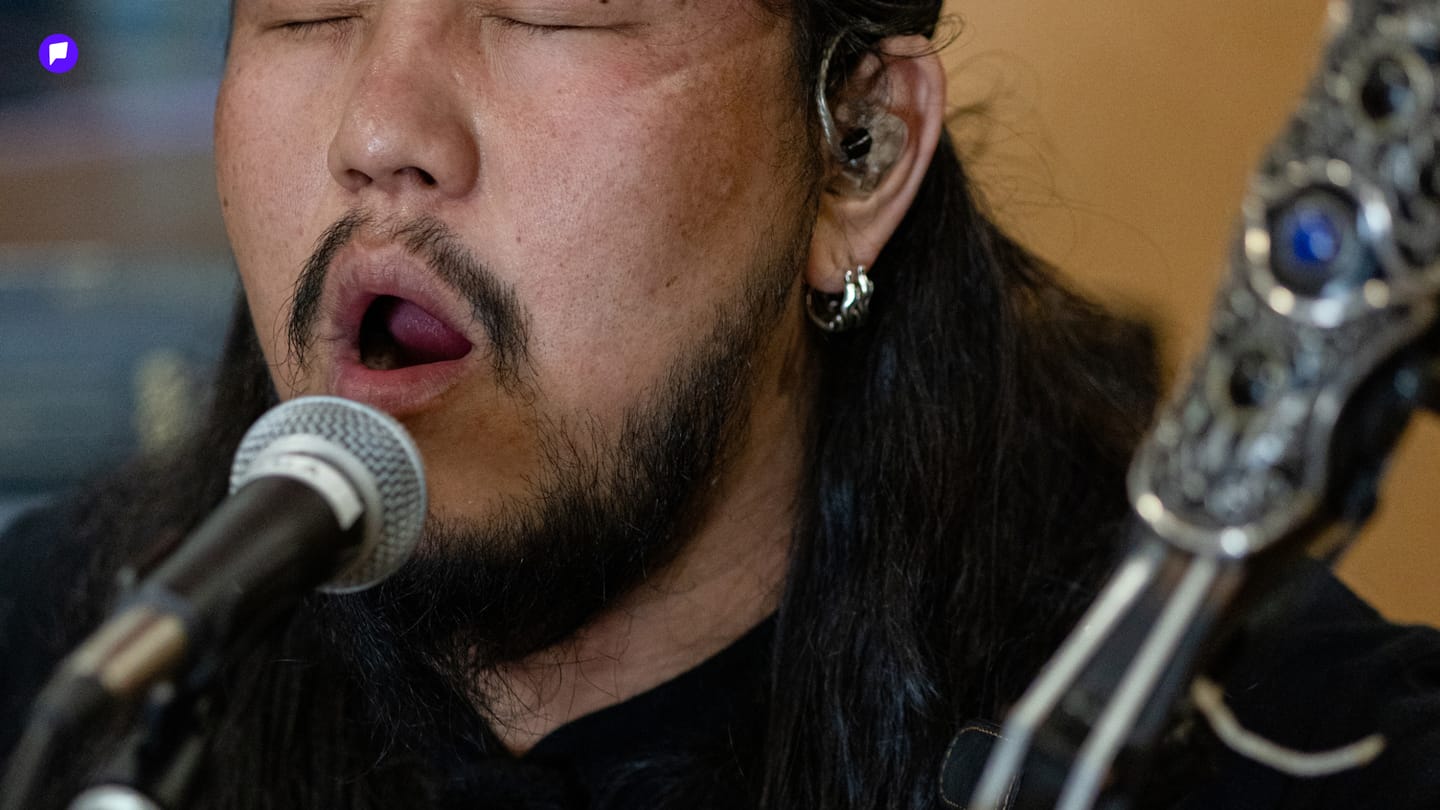
But where does the energy to sustain such an intense journey come from? The answer may lie not only in their music, but also in the core values that bind them together: discipline, mutual respect, and an enduring sense of unity.
"Every single person has a remarkable inner world of their own. Discovering it and truly finding yourself often requires navigating a long and difficult journey. Along that path, music becomes a constant companion-a foundational support that guides you through life. Today, we live in a rapid age of technology. Artificial intelligence can create songs and produce all kinds of things. Yet there is one vital thing it cannot replicate: the living emotion that comes only from a human being. I hope people come to recognize and value that unique spark within themselves.
As for us, we continue riding forward without stopping. We move through life to the rhythm of powerful music, always pushing ahead. Through our music, but also through our cultural heritage, our instruments, our clothing, and even the way we wear our hair, we strive to share Mongolia and the character of the Mongolian people with the world. Remaining true to that purpose, understanding its meaning more deeply with each passing year, and carrying it into our daily lives through our work and actions is perhaps the greatest responsibility we have.
I am incredibly proud of my brothers in the band. Although we were raised in different environments and come from different backgrounds, we are united by a common purpose. They are remarkable individuals who set aside their personal egos and differences, choosing instead to carry themselves with immense responsibility and work together with absolute sincerity. Of course, life on the road is not always easy. There are times when we become ill far from home, face heavy difficulties, or feel discouraged. But we support one another, look after one another, and get through those moments together through love and care. Because of that, there is never much reason to worry.
The strength of the great Mongol Empire was built entirely on unity. There is a common outside perception that Mongolians struggle to achieve success through teamwork or collective effort. I often think our band stands as a genuine, living answer to that belief. What we have accomplished together, and the unity that binds us, is the strongest proof that it is simply not true."
Stay True to What You Have Chosen and Come to Love
Like the historic decimal system of the Mongol army, where everyone shared collective responsibility, the members of the band have learned to shoulder one another’s joys and hardships, becoming a single, unbreakable entity. Perhaps that profound sense of solidarity is one of the secrets behind their historic success on the world stage. Yet beneath every achievement lies something even more fundamental. At the heart of this story, and at the heart of what sustains an artist through life, is family.
In moments when the outside world feels distant, when one struggles to be understood or faces challenges alone, it is often the warmth and support of family that remains. Today, that foundation has helped shape him not only into an artist recognized around the world, but also into a responsible husband, father, and head of a household.
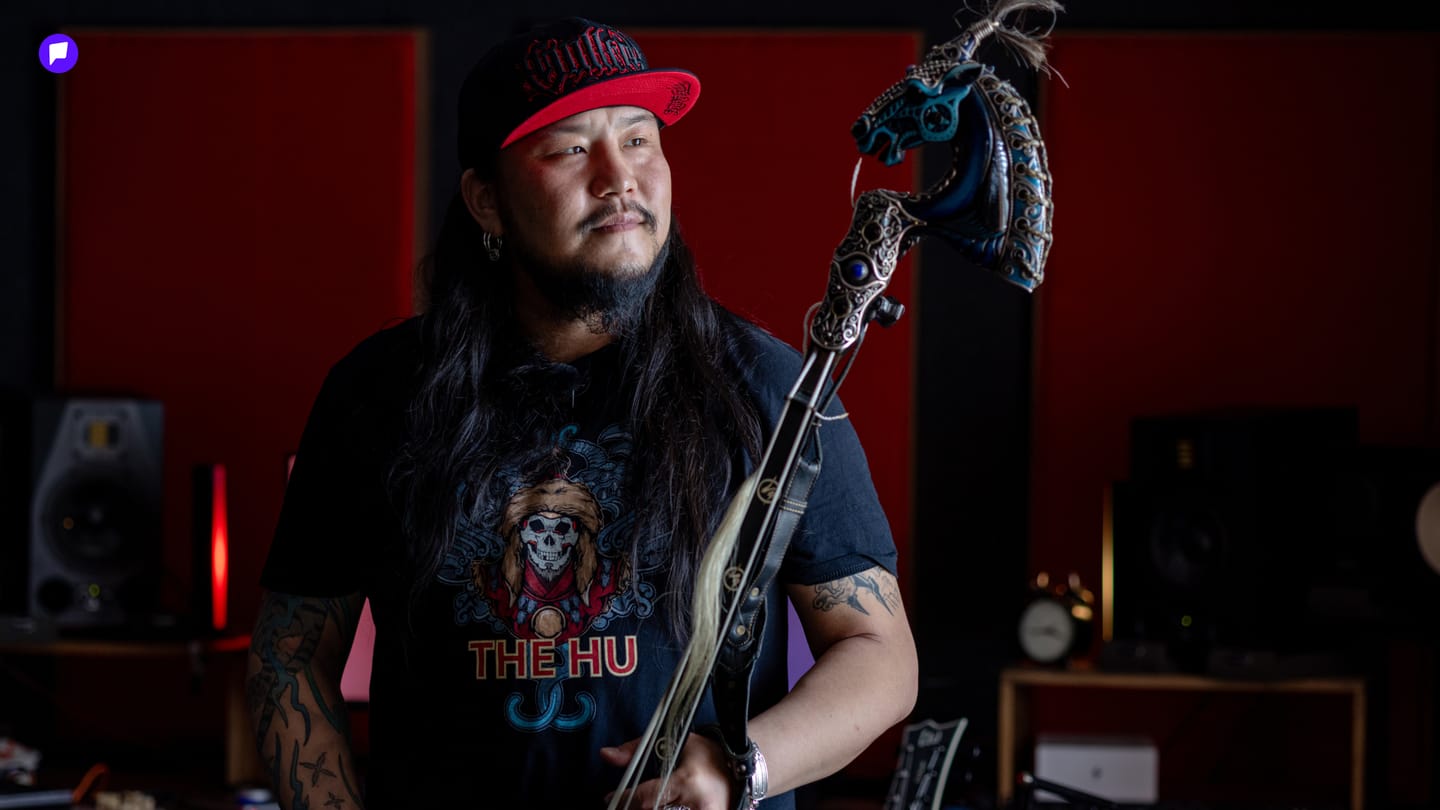
"When I first started learning the morin khuur, the kids in my neighborhood used to tease me. They would say, “Why are you always carrying that piece of wood around?” They simply did not understand it. It was only later, when The HU began reaching a global audience, that they perhaps started to understand why I had devoted my life to it for so many years. That is why I believe that, on a long journey like this, people will always have opinions. Some may tell you that what you are doing is pointless or that you are wasting your time. But you have to remain absolutely true to the thing you have chosen and come to love. You have to stay committed to it. Only then can those early dreams become reality. In many ways, that is what we hope our music can offer people as well. We want it to give them strength and vitality, and to help them face life's challenges with absolute confidence.
During the years when the outside world did not really understand what I was trying to do, my family supported me wholeheartedly and gave me every opportunity to pursue music. They were so protective of my hands that they rarely let me do physical chores around the house, worrying that I might injure my fingers. Most of that hard labor fell to my older brothers instead.
There were clear advantages to that, but there were drawbacks as well. Today, as a father and the head of my own household, I sometimes realize that I lack practical experience in certain everyday chores. When I later lived with a host family in Japan, I learned many simple things that I had never really learned at home, such as washing dishes, cleaning the house, and cooking rice. That experience taught me an important lesson. Young people should not think, “I do this kind of professional work, so I do not need to do manual chores.” It is vital to find balance in life, to help at home, and to learn how to do a little bit of everything.
For nearly the past seven years, we have spent six to seven months of every single year abroad on tour. When I think about it, that leaves very little time for my family. As a father, one of the hardest things is knowing that while I am far away, I am missing some of the most precious and irreplaceable moments of my children's lives as they grow up. Those are moments that never come back. That is why whenever I return home and have time away from work, I try to devote it entirely to my family. I do my best to make up for the time we could not spend together, and to be fully present for as many of those precious milestones in my children's lives as I can."

Becoming a source of pride for the family that first guided him into the world of music and supported him every step of the way, and repaying that faith through the rewards of a path pursued with unwavering dedication, is perhaps one of the greatest joys an artist can experience. Yet to stand on the world's stages not only as the pride of one's family, but also as a voice and source of pride for an entire nation, is both a rare privilege and a profound responsibility.
As our conversation came to a close, he left readers with a heartfelt message: to discover their own inner world, to believe in themselves, and to take pride in who they are. The HU's music is born from something that can come only from people and from the human heart. It is created with the hope that these living sounds will reach every corner of the world touched by the sun, inspiring people to care for one another and reminding them of the enduring power that allows us to remain fully human. Through the unique genre they have forged and the energy of their music, they continue to resonate with hearts across the world, connecting people through the universal language of rhythm, melody, and shared emotion.
For this edition of "One of Us," we were honored to share the story of an artist who carries Mongolia's heritage to the world while remaining deeply grounded in the values that shaped him. Thank you for joining us in this conversation and for sharing in the humanity, humility, and artistic devotion that lie at its heart.